
ACE Analysis
Flexport’s ACE Analysis Tool will help importers find savings and reduce risk through visualization of your import data.

Unexpected demurrage and detention fees blow a hole in a budget nobody planned for.
Shipments held in customs control trigger heavy contractual penalties when agreed deadlines slip.
Containers show up without warning and there's nobody at the warehouse to unload them.
Voicemails and waiting on status updates mean you're always putting out fires instead of getting ahead of them.
Sales, marketing, and customer service all need delivery dates you simply don't have, and customers leave.
A shared spreadsheet with no change history costs a full day each week chasing the paper trail.

Whenever you find yourself waiting on one piece of information, or one return phone call, in order to keep an order moving – that's a bottleneck. Whenever you're surprised to find a truck at your loading dock that you were expecting next week – that's a bottleneck. When a seemingly simple situation leads to orders being delayed, shipments being unaccounted for, or needed information missing – you're dealing with a logistics bottleneck.
Bottlenecks tend to hide in three places: areas you don't expect, areas that aren't your priority, and areas where you have no visibility or insights.
The data silos created by each stakeholder in a supply chain using their own spreadsheets and emails to communicate mean that there's no way to get an overall picture of the status of an order. Suppliers might not send word of a shipment being ready until after it's left the factory, or you may be told the vessel is set to depart today but don't get notified that it was actually held up three days.
Internal processes are easy when everything works as it should, but as soon as things get complex, you need to be able to make quick decisions that influence your routing and pricing decisions. Having well-documented and detailed processes helps you avoid these pitfalls and provides accountability in cases where something goes wrong.
We see as many as 25% of customer shipments impacted by late or missing paperwork. Late or incorrect submission of documents such as the Commercial Invoice or Packing List will block customs clearances and, with that, the final delivery to your or your client's warehouse. By tracking communication and documentation from supplier to customer, you're better positioned to work together to find ways to improve these processes.
Underlying the above three points is a general lack of data about each link in your supply chain. Data is what powers accurate forecasts, enables real-time updates to customers, and allows for fast decision making on rerouting and mode adjustments.

As with any business decision, there are costs associated with leaving the cause unaddressed. A European retailer, Blokker, was paying €600,000 a year in fines and penalties due to not being able to see where their stock and containers were.
Upstream visibility into inventory-in-motion can be a significant value driver as well. BCG research showed that a 15-30% reduction of working capital could be achieved through better visibility of end-to-end inventory in the supply chain.
Inaccurate forecasts can lead to stockouts and disappointed buyers who may leave you for a competitor.
Disorganised internal processes can lead to disordered decision making and additional delays in rerouting and price adjustments.
Missed paperwork deadlines due to an unseen email can lead to shipments sitting in port, idle warehouses, and cost excess.
Not knowing what is in each container, let alone when it will arrive, increases the chance of a stockout.
Knowing what is going to arrive at our distribution centers at any given time allows us to plan and pivot as needed, as well as ensuring the right product is at the right place, at the right time, so we can fill orders. For the customer, it's seamless.


With a single platform housing all of your logistics communication and documentation, your warehouse staff can find out about supply delays and make proactive decisions, and your sales team can know what is and isn't available to sell to your customers. Your suppliers will get automated push notifications to assure timely upload of documentation and you are able to track all data around delays caused by documentation issues.
Equip yourself with the right set of data that will allow you to respond fast to potential roadblocks. Inventory levels, supplier availability, sales volumes, warehouse space, all of these are important to collect so you have a complete picture of the state of your supply chain. Having this data available on a Purchase Order and SKU level will help you to make the right prioritization decisions.
Enable your teams to make internal decisions with the most accurate real-time information on routing and pricing by having analytics in place on your complete supply chain setup. Giving the right people access to the correct information at the right time keeps your internal processes running smoothly and your customers in the know.
With complete historical data you can make a time series analysis by adding the expected trend and seasonal component to it. We recommend aggregating the forecast by SKU, time and location to reduce variation and improve accuracy, and revising it periodically against actual observations to check for bias.

Mitigating bottlenecks requires you to spend time, attention, and energy trying to resolve them. Timely identification and proactively addressing bottlenecks will improve your organisation's bottom line.
Find out what your supply chain can really do. Flexport can help you identify the bottlenecks you might have missed and provide the expert input you need to address the root causes.
Flexport’s ACE Analysis Tool will help importers find savings and reduce risk through visualization of your import data.
This guide dives into relevant importer strategies, tools, and technicalities. Businesses can navigate today’s and tomorrow’s customs landscape with confidence.

Five practical AI use cases in logistics, how AI-powered tools cut delays and costs, and why they sharpen rather than replace human judgement.
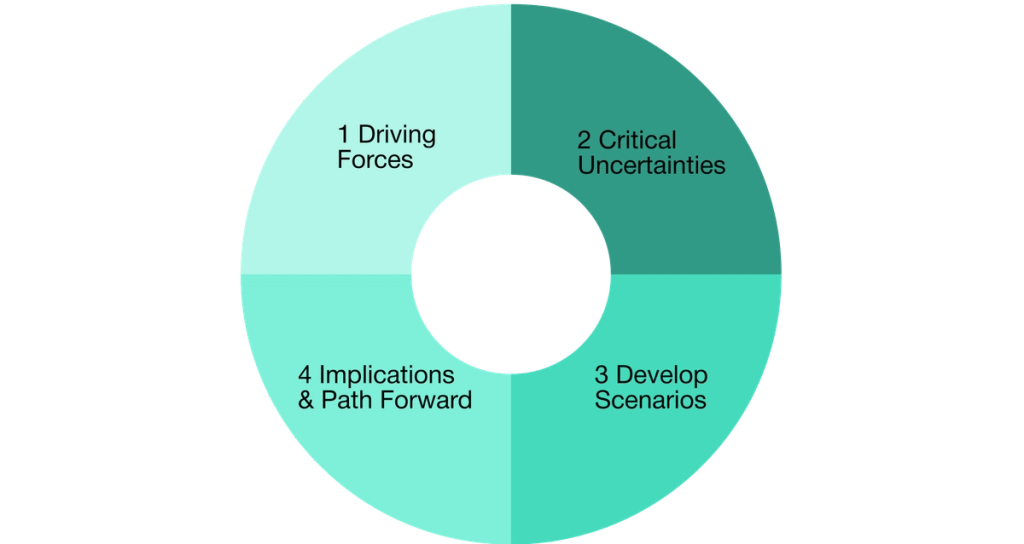
A step-by-step approach to scenario planning, a checklist for strengthening what you already have, and an hour of expert discussion on navigating disruption.