
Flexport Ocean Timeliness Indicator
Flexport’s Ocean Timeliness Indicator illustrates the transit time between the cargo ready date at an exporter’s factory or warehouse and the container’s departure from the destination ocean port.
Flexport’s Ocean Timeliness Indicator illustrates the transit time between the cargo ready date at an exporter’s factory or warehouse and the container’s departure from the destination ocean port.
Flexport’s Ocean Timeliness Indicator illustrates the transit time between the cargo ready date at an exporter’s factory or warehouse and the container’s departure from the destination ocean port.
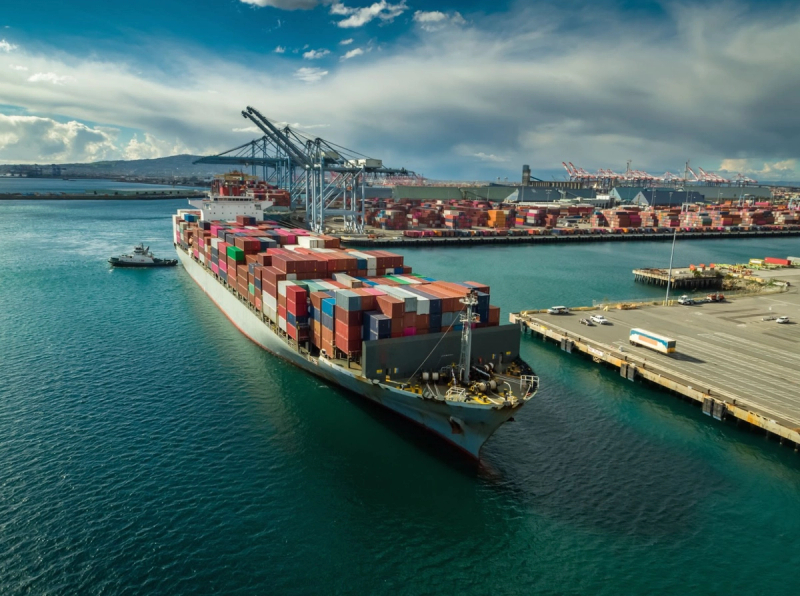
Flexport’s machine learning models provide more reliable and accurate ocean freight transit time predictions, helping you plan ahead and adjust to disruptions.

Supply chain visibility isn't possible without a supply chain control tower. In this article, we'll explore the concept further, and why it should be part of your 2024 Request for Proposal (RFP).
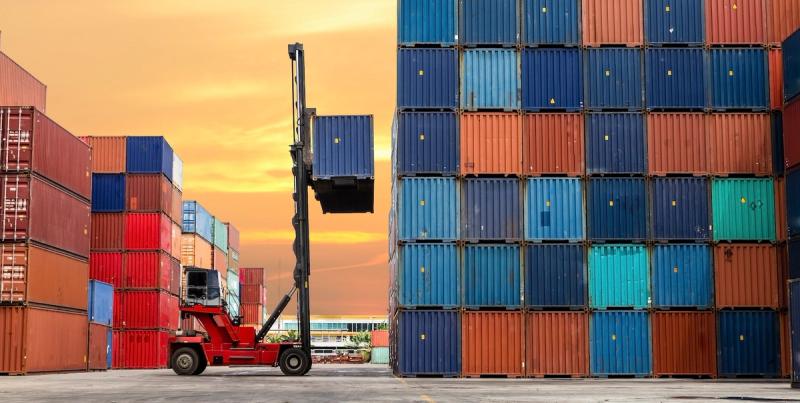
Supply chain transparency is achievable—provided you can overcome the hurdles created by three root causes—divergent data sources, a lack of data granularity, and partners using outdated technologies.

Flexport’s recent Logistics Rewired webinar featured a panel with FMC Commissioner Bentzel discussing the Maritime Transportation Data Initiative (MTDI).

Get ahead of the curve with optimized supply chain transparency. Learn how data-driven strategies can reduce costs and improve customer experience.

Companies need more visibility to prepare for the unexpected—especially in a post-pandemic economy. With better data, companies can better predict demand and supply to improve inventory management.

Flexport’s EU Logistics Pressure Matrix (LPM) gathers eight data points in an attempt to provide a picture of the challenges facing logistics networks from the demand side and a view of ongoing activity on US-inbound routes.

Get weekly curated freight news, delivered to your inbox.