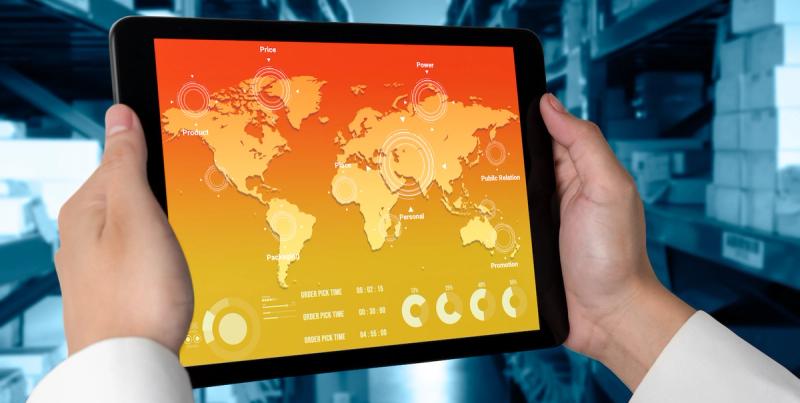
World Trade Indicators - Spinning Weathervanes
The tumult of the pandemic era has thrown off many measures for which way the economic winds are blowing, global trade being no exception.

The tumult of the pandemic era has thrown off many measures for which way the economic winds are blowing, global trade being no exception.

Of late, energy prices have been on the rise. What might this mean for consumers and for monetary policy in the months ahead?
The IMF projected India to be the world’s fastest growing large economy over the next two years. Yet on trade, India has largely struggled to achieve escape velocity from the pull of protectionism.

Savings are being drawn down, leaving borrowing as perhaps the primary source of funding for new purchases. That presents risks to households and to the economy, as a whole.
Our latest Forecast for U.S. consumer goods imports may look discouraging. There’s an argument, however, that imports are settling now to where they would have been absent the frenzied Covid years.

Much has been made of the latest U.S. trade figures, which showed imports from China down nearly 24% year-to-date compared to last year.

Flexport’s Ocean Timeliness Indicator (OTI) – has paused on its downward path to ‘normalcy.’ We look at the causes and ask, again, whether we might need to redefine normal for the post-pandemic era.
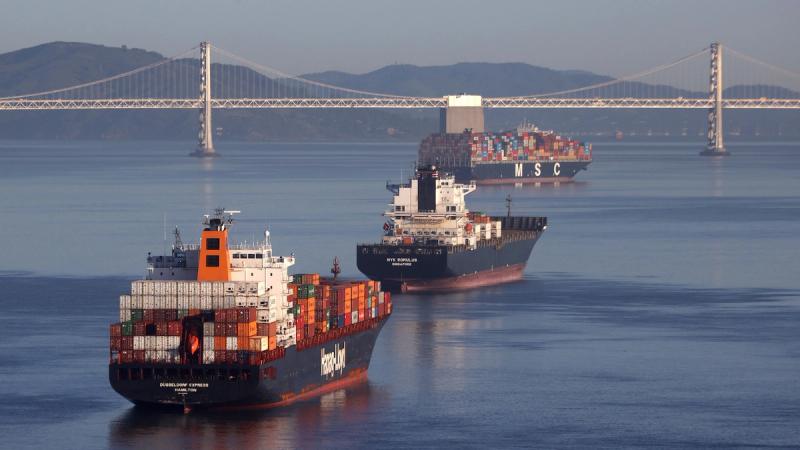
There was agreement among the panelists for our latest State of Trade webinar that shipping – or logistics, more broadly – could be bottoming out, “barring some type of shock.”