
Never Normal - Ocean Timeliness Divergence
There are signs that supply chain disruptions are easing, but the schedule and pricing data show progress is slower on Asia-Europe than Asia-US.

There are signs that supply chain disruptions are easing, but the schedule and pricing data show progress is slower on Asia-Europe than Asia-US.

Apparel inventories have exploded while sales have slowed, resulting in tough strategic choices for apparel retailers.
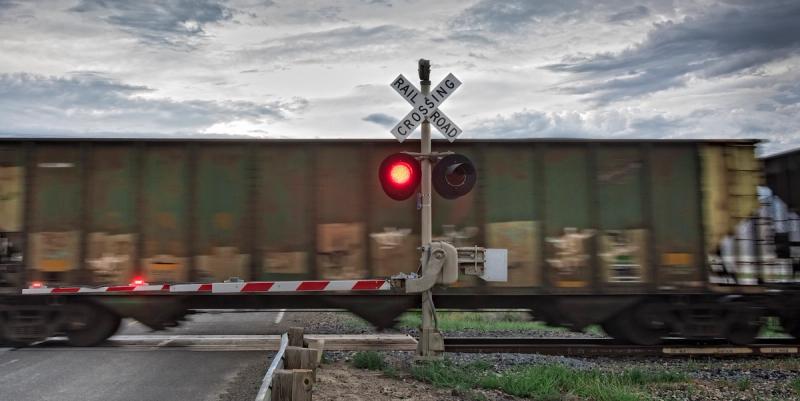
A threatened U.S. rail strike disrupted supply chains, before it has even started.

Inventories in the toy industry have expanded faster than sales, as manufacturers and retailers seek to avoid prior years' shortages.
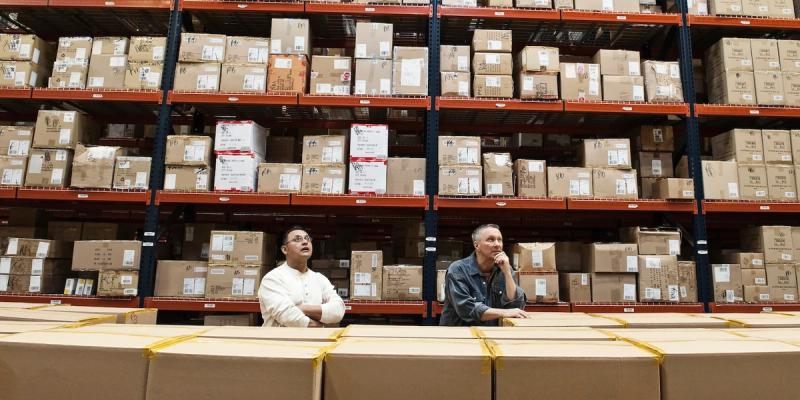
Corporate inventories may be getting out of control. There's lots of reasons why and lots of strategies for rectifying the imbalance.

South Korea is the first country to report August trade data, providing a “canary in the coal mine” for global activity. Total export growth is slowing and its shipments of semiconductors have started to fall. Neither bode well for global trade activity or the economy at large.
European gas and electricity prices for delivery during the coming winter have risen by 40% since the start of July. The market is pricing in supply interruption risks. Should supplies fail, the consequences will be felt in higher producer price inflation.
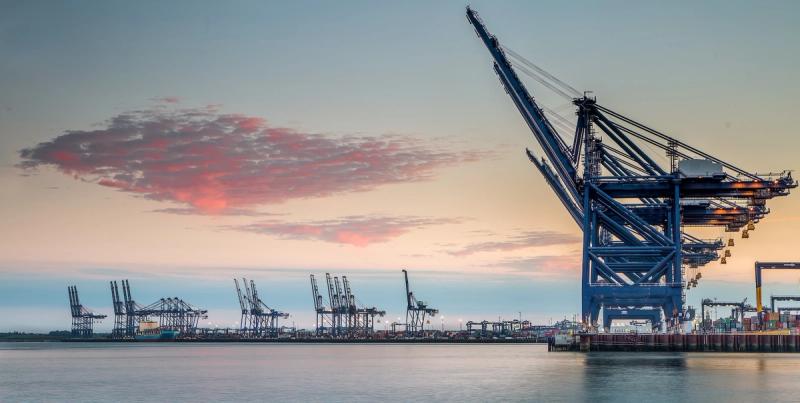
The impact of an 8-day strike at Felixstowe will have implications for both local supply chains and global logistics networks. It could take several weeks for the port to recover.