[MUSIC PLAYING]
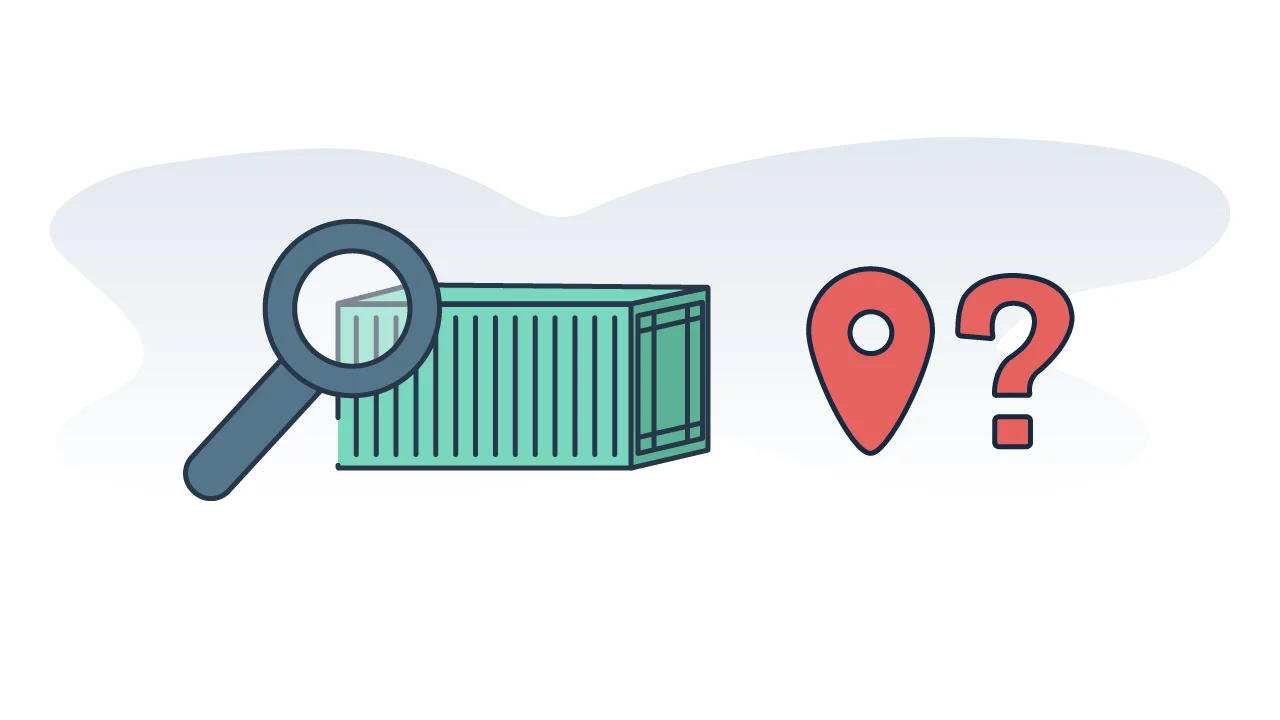
ERIC KLEIN: Where is my stuff? Or more typically for a business, where are those T-shirts my customers are waiting to buy? Knowing the location and status of freight is highly dependent upon who is asking the question.
So to start with, it is important to understand, what is the customer really looking for? Is it a purchase order? Is it an ocean container? Or is it the product they are waiting for at their store?
In every instance, without the whole picture, there is a missing piece of the puzzle. So all of these assets need to be mixed together to provide a basic status of location. So let's talk about location for a minute.
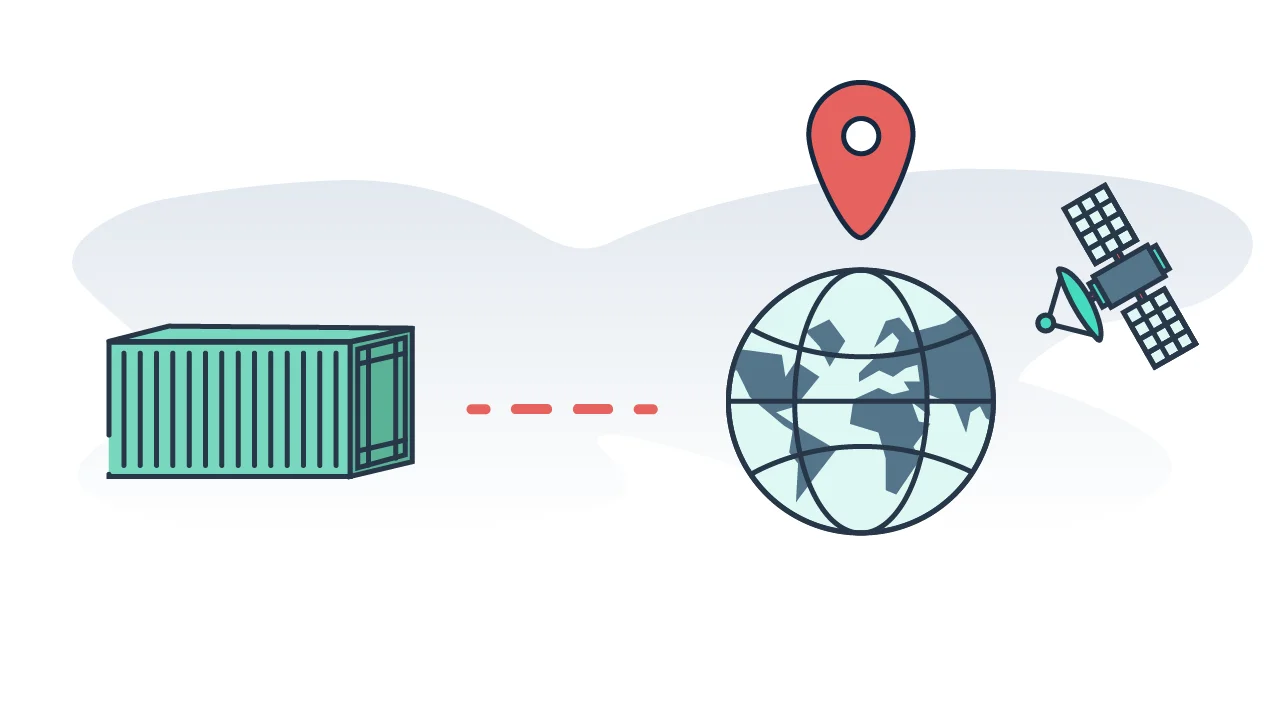
While it may seem easy to say location is where something is at, where is "where"? Are we talking about latitude and longitude? Or are you talking about a named geographic location, like the Port of Los Angeles?
Events is another key concept. These are the things that happen to a shipment along the journey, like inspected or made available.
The last key concept is about state. In this concept, I'm talking about a particular condition of the object we care about at a specific time. Examples of states for your shipment are moving, en route, empty, full.
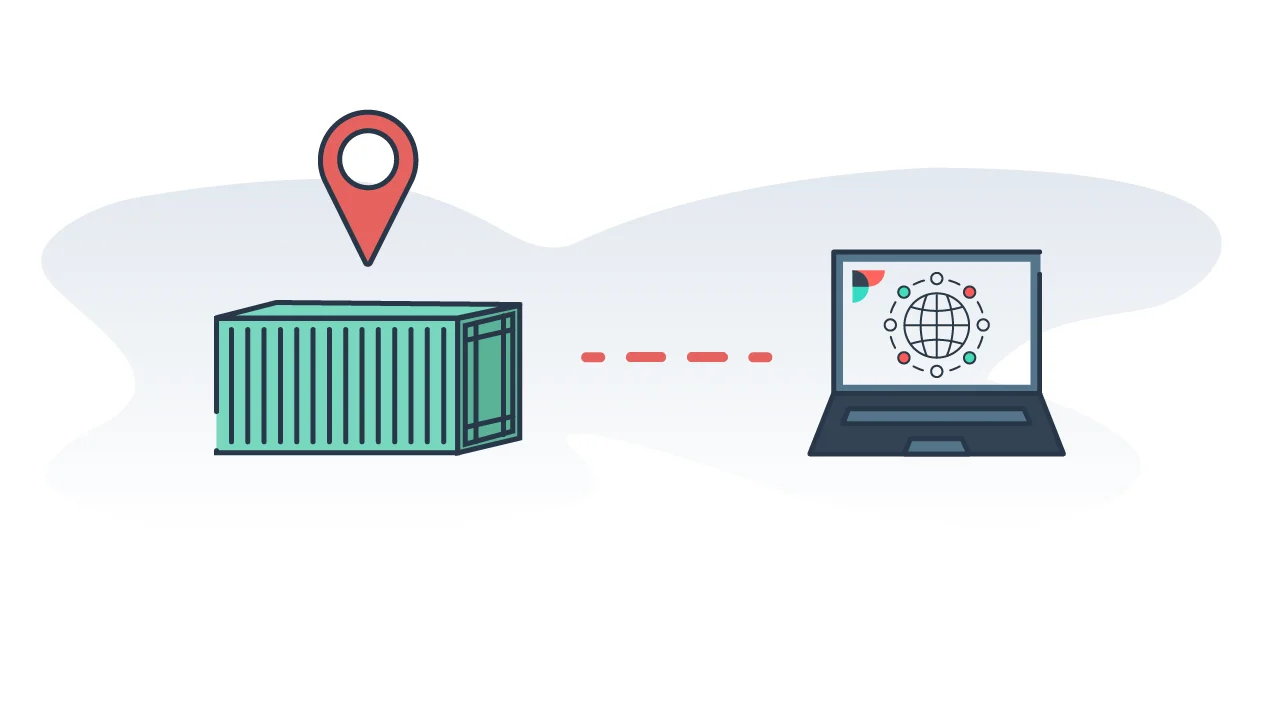
So in summary, track-trace technology provides visibility into a shipment's physical position in a supply chain. Visibility is the combination of location and state of a shipment with the added context of the events, both past and projected.