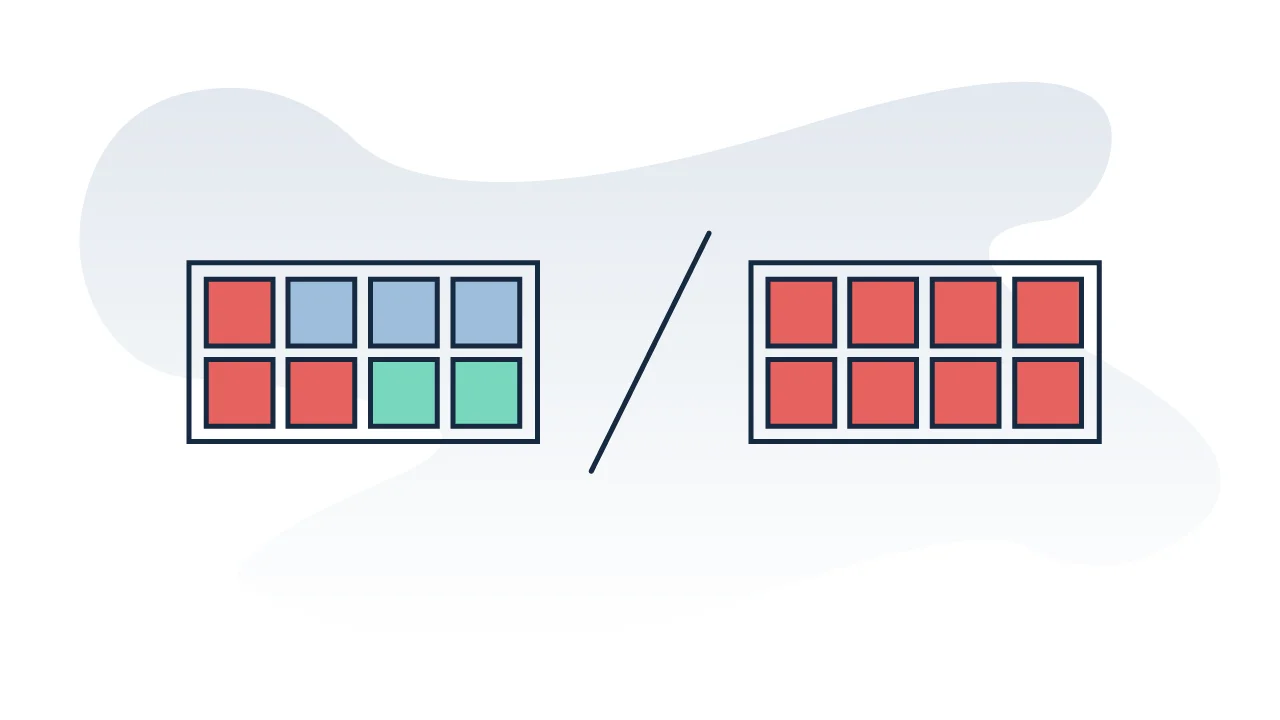
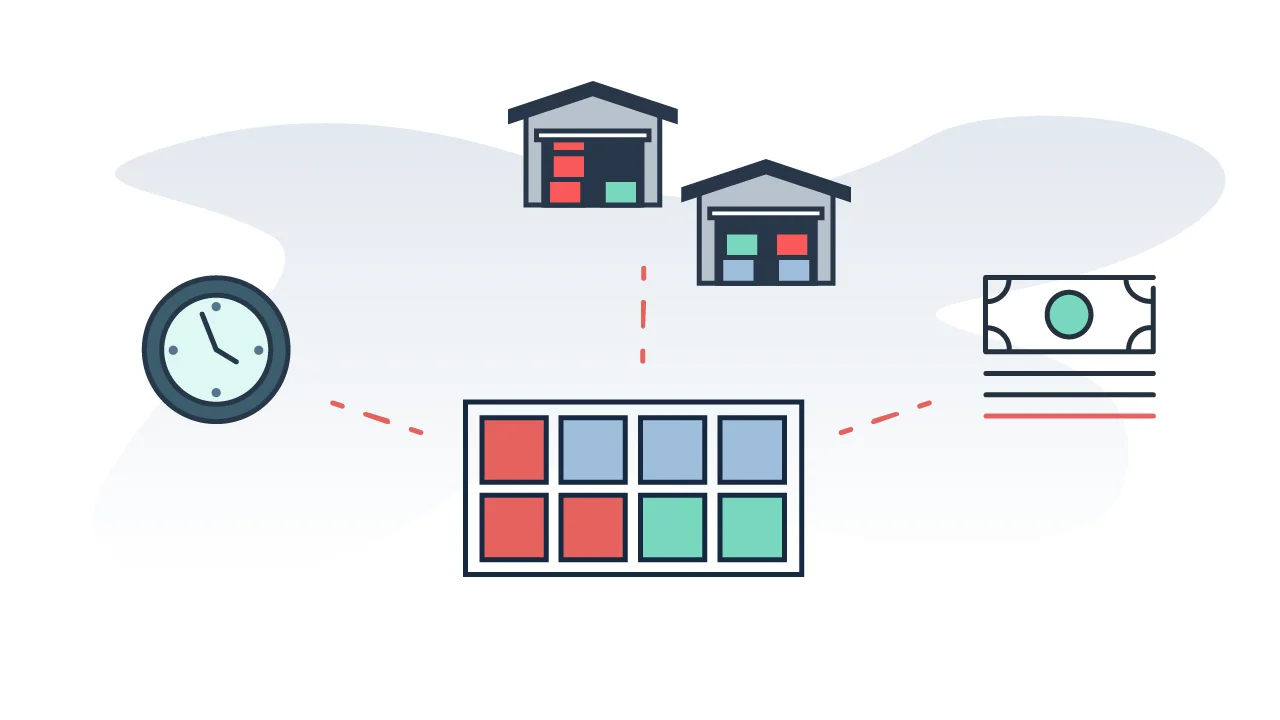
NARRATOR: In the initial booking stage, a booking will be placed by a shipper or consignee with their freight forwarder near the cargo ready date. The booking should contain cargo commodity information, cargo size and dimensions, the Port of loading at a container freight station or CFS, port of delivery, also to CFS, and final destination delivery details. And of course, a confirmed cargo ready date, so that the shipment is picked up in time to be consolidated with other shipment of the shared container. After booking, the cargo will be picked up and consolidated, an aspect of LCL shipping that differs from FCL.
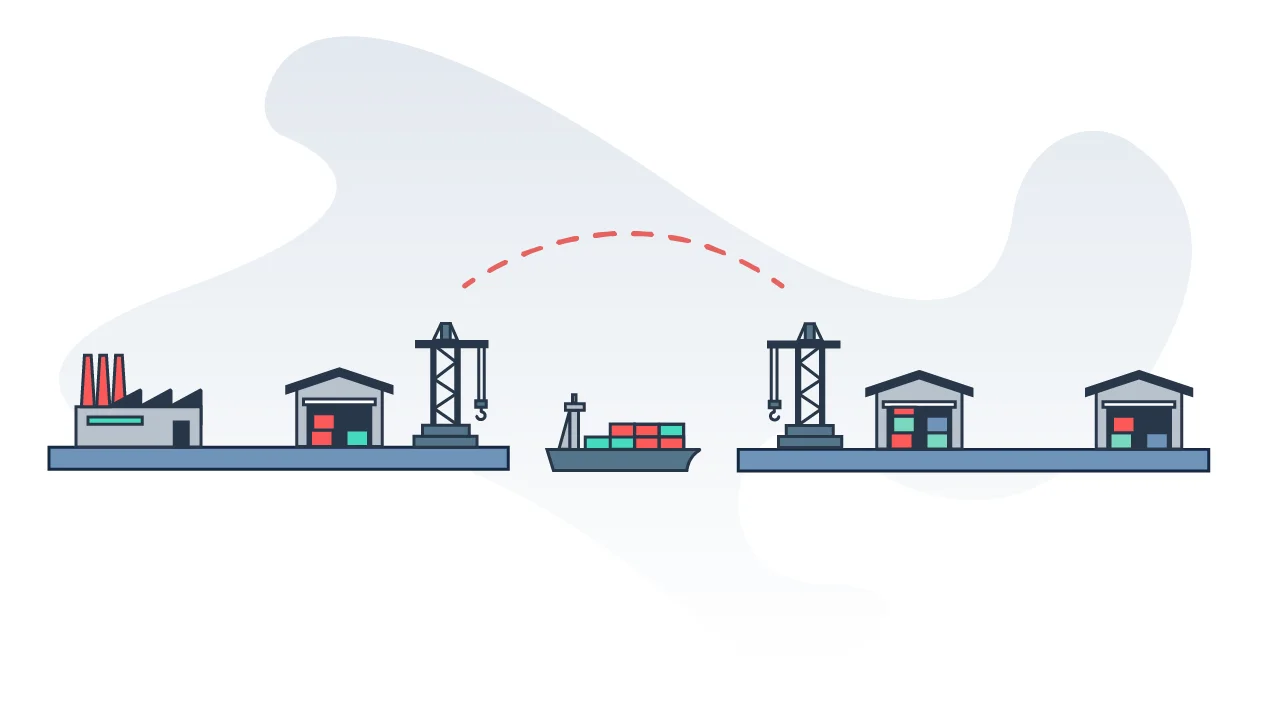
Instead of having to make a stop at the port to pick up an empty container, a cardiff truck will be dispatched to start at the factory to pick up the cargo load. Then, the trucker would bring the cargo to a container freight station where the cargo will be consolidated with other shipment into a consol box.
After consolidation at the CFS, the consol box will be sent to a container yard near the Port of loading. Next, the container will be loaded into an ocean vessel for departure from the Port of loading. Here, the ocean carrier will make sure documentation is valid for the cargo on board in order to continue the shipment journey on the water.
The container is now on its way to the destination port. This phase of the shipment journey is similar to the FCL journey, in that when the vessel is about a week or a few days out from destination, the ocean carrier will send information or documentation required for clearing customs, picking the container up from port to then bring to CFS, and charges by the ocean carrier for the services rendered.
When the ocean vessel arrives at the destination port, the consol box is offloaded from the ocean vessel into the container yard at the destination port.
Next, the container will be picked up from the container yard to move to a nearby CFS.
After delivery to destination CFS, it's best practice to make sure the shipment is cleared for import.
While we're still at destination CFS, the cargo will be deconsolidated to prepare for final delivery.
Finally, a truck will be dispatched when the cargo is ready to be picked up from the CFS, where it will then usually be delivered to a business's warehouse.