[MUSIC PLAYING]
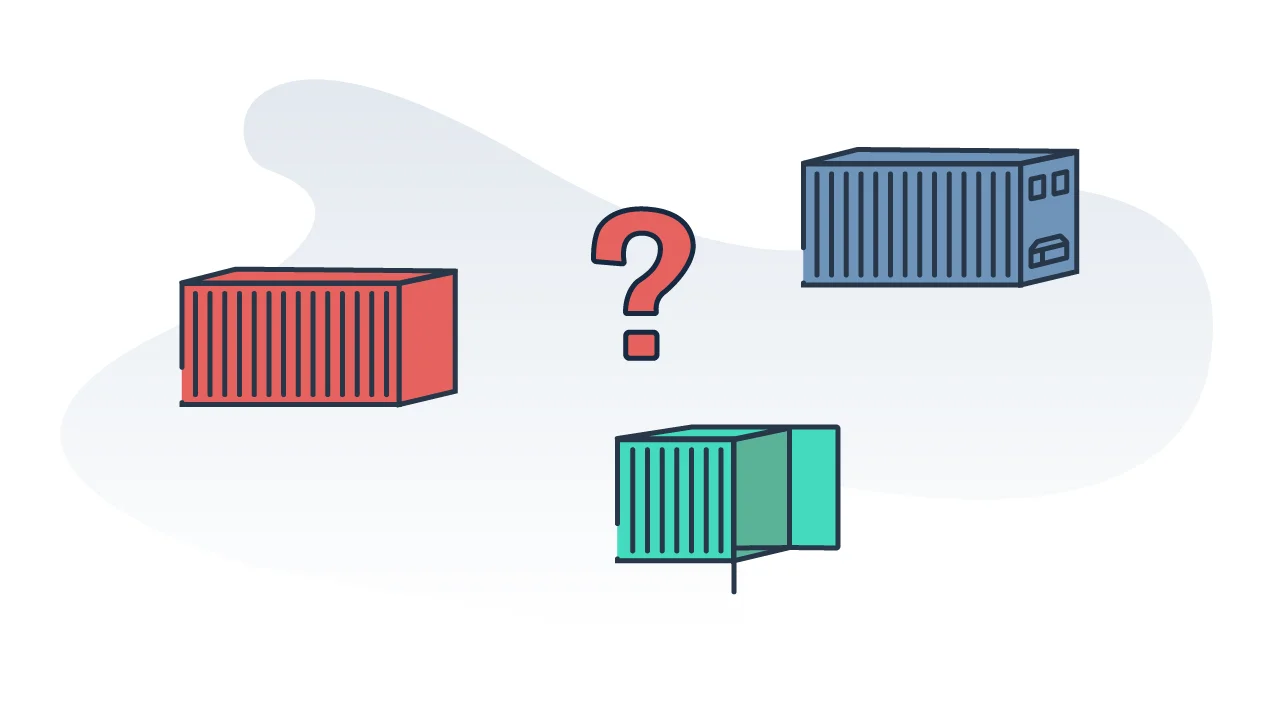
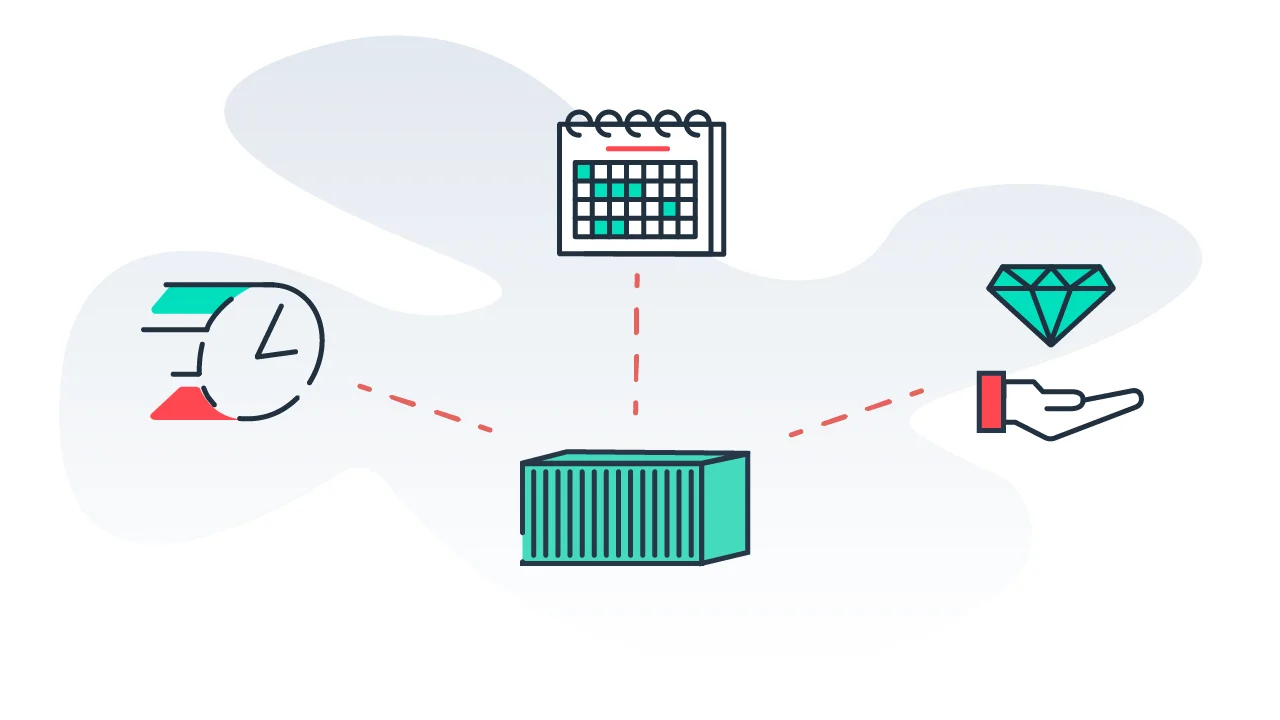
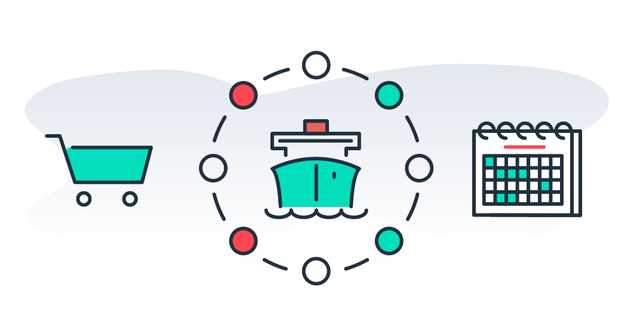
NARRATOR: Just like when you want to make a dinner reservation, booking cargo on a ship is essentially reserving space for a container on an ocean vessel in advance. At this initial phase of the FCL lifecycle, we should know the following. What commodities being shipped? What container size is needed for the cargo?
How many containers are needed?
Where the cargo will be shipped to and from? And of course, when the cargo will be ready for pickup at the factory? These pieces of information are used to determine which vessel schedule is appropriate to book.
Next, the carrier would determine if there is enough space on the vessel to accept the booking. Assuming there is space available on the vessel, the ocean carrier would then provide a shipping order or booking confirmation back to the freight forwarder who will then provide it to the shipper in order to proceed with moving of the shipment.
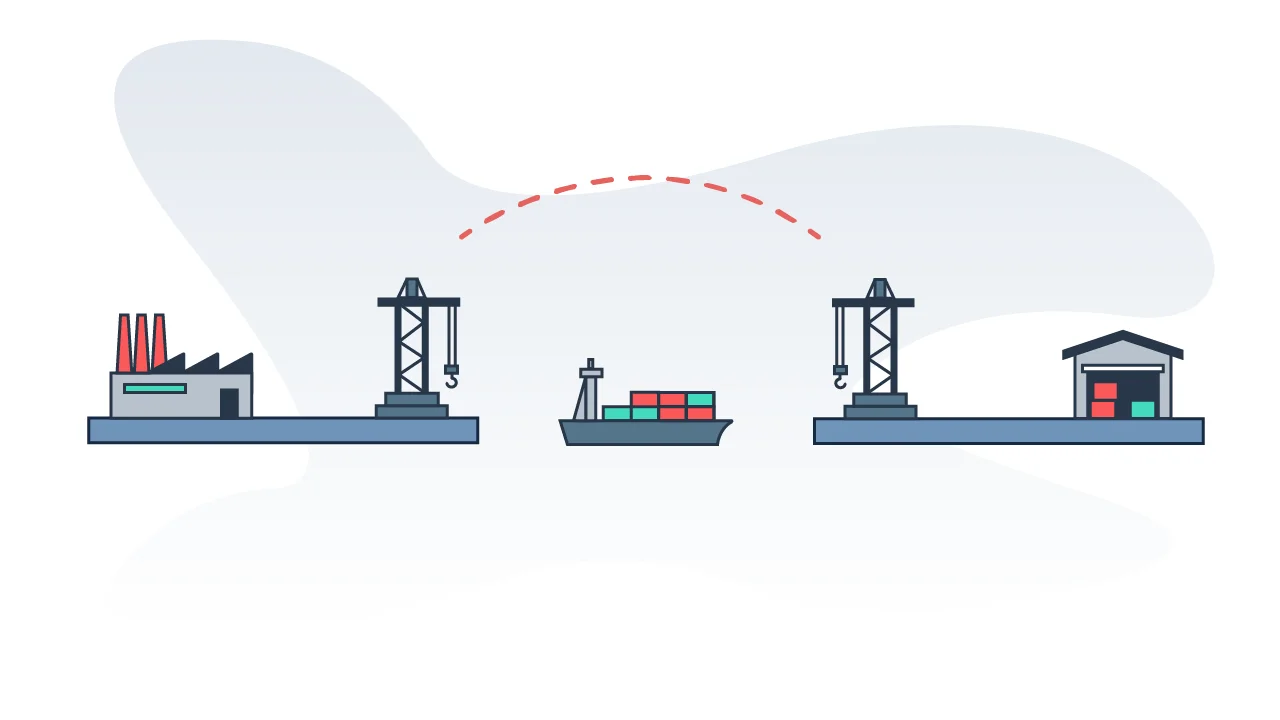
The next phase is loading the container in gate end of the container at the terminal before departure from port, trucking becomes a component in this phase. As a trucker is needed to pick up an empty container from the port, then your trucker will transport the empty container from the port to the factory. Once the container is fully loaded at the factory, a trucker then brings up the full container back to the port for the container to gate in, it is then ready to onboard the ocean vessel for departure.
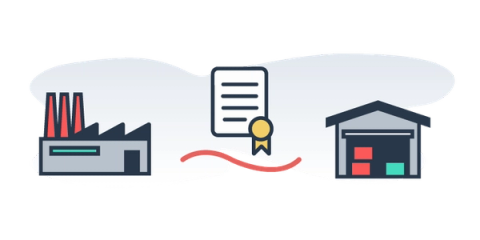
Before the shipment actually depart from the origin port, there is documentation that needs to be validated. During this phase the shipper will typically submit documentation to the freight forwarder about the shipment cargo.
The freight forwarder will use this documentation to clear the export customs, begin the import process with the destination country, drop the House Bill of Lading also known as the HBL, and submit required information to the ocean carrier prior to the deadline listed on the shipping order or booking confirmation.
Once the ocean carrier receives the information from the freight forwarder they will use it to complete customs requirements, manage gate in operations, mitigate the risk of undeclared dangerous goods, and help distribute weight and cargo safety across the ship.
Typically, when the vessel is about a week to a few days out from destination, the ocean carrier will send the forwarder information or documentation required for the forwarder to clear customs, pick the container up from the port, and let them know what they owe the ocean carrier for the services rendered.
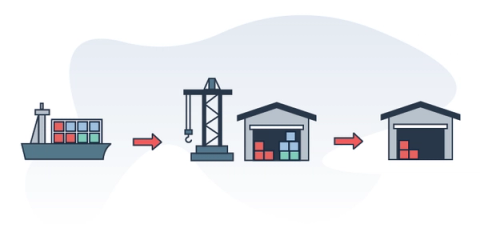
Similar to the beginning of the shipment journey, a trucker is involved to help transport the container once it has offloaded from the ship. Before the container is picked up by the trucker, a few items must be cleared for pickup, import customs clearance, freight charges cleared to the ocean carrier, and the trucker must have a delivery order that allows the container to be released to them on behalf of the owner of the goods.
Once everything is cleared, the trucker can now recover the container from the arrival port and bring it to its final destination where it will be unloaded by the customer. When finally unloaded, the trucker will return the empty container back to the port.