[MUSIC PLAYING]
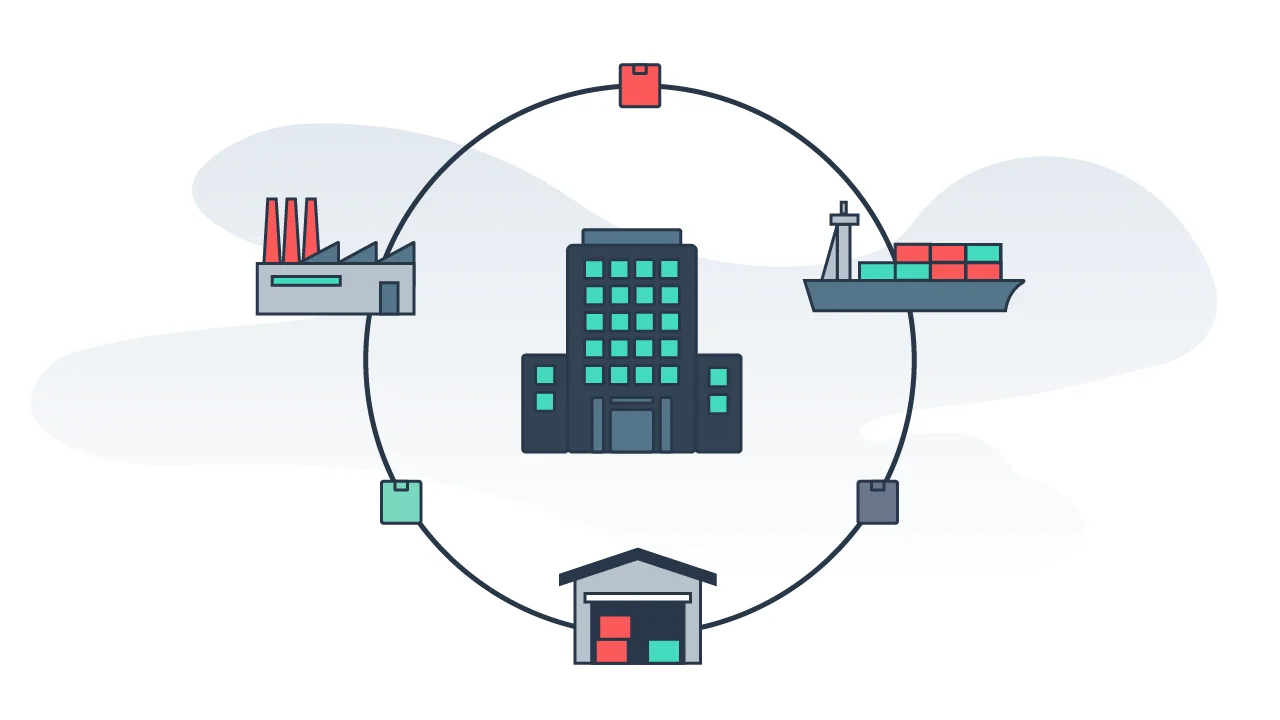
INSTRUCTOR: Let's now dive deeper into why a shipper or consignee would choose to move their goods with a freight forwarder rather than handle these logistics themselves. There are over 190 countries around the world.
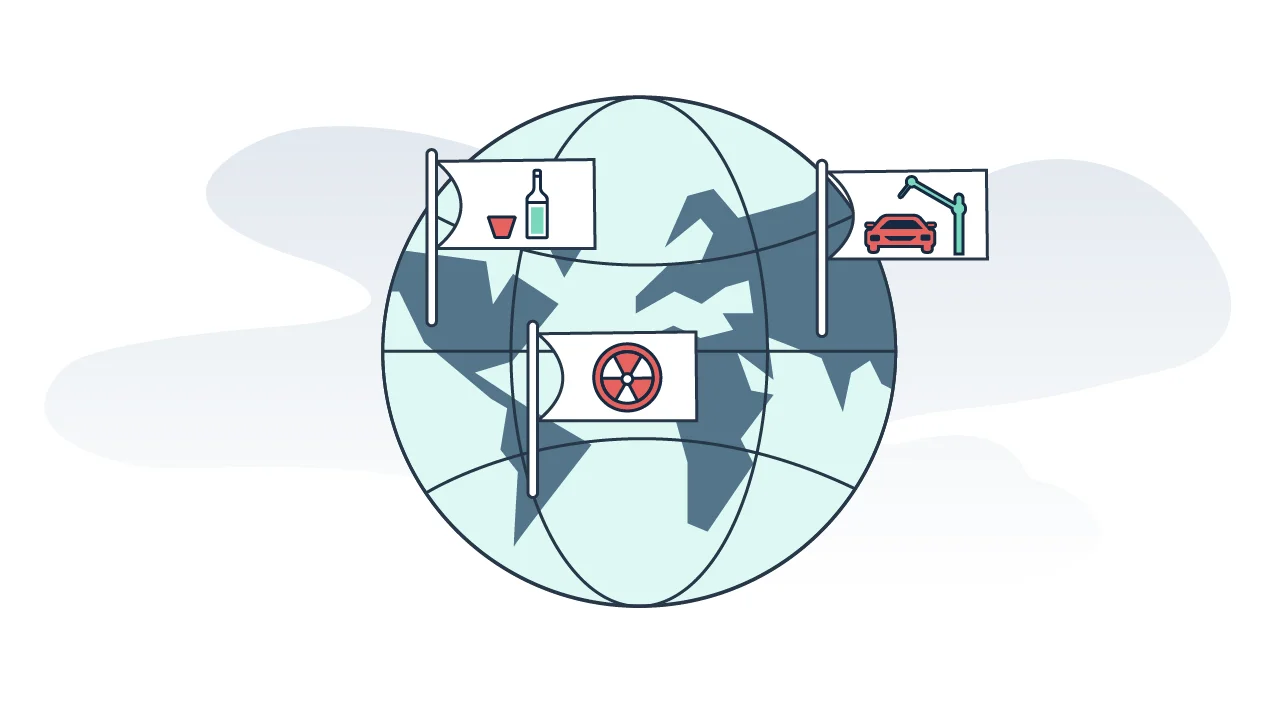
While a company might not ship to every single one, for those they do ship to, it is important to have a logistics expert familiar with the local market to advise on the operation. They can provide recommendations on the most cost-effective or fastest options and guide an importing or exporting company through the relevant government formalities involved with the process.
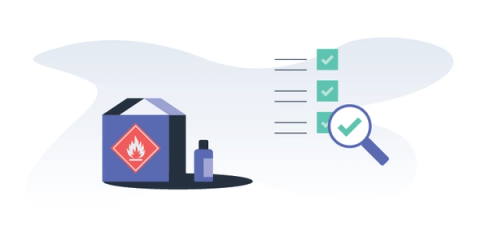
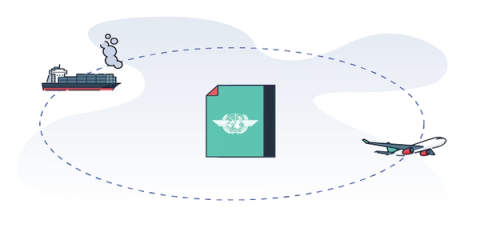
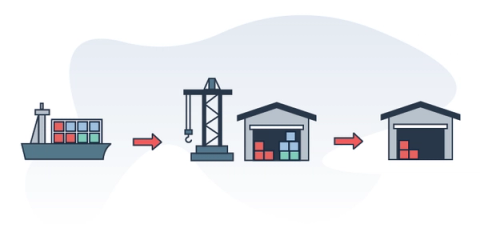
Freight forwarders play a key role to ensure a shipment is compliant with both international transportation regulations and the laws of the exporting and importing countries. At a shipment's origin point, freight forwarders will coordinate with shippers to prepare documents like a shipper's letter of instruction, bill of lading, certificate of origin, contract of carriage, et cetera. They will also handle equipment scheduling, terminal arrangements, trucking details, and any other logistical hurdle that pops up.
Having a local expert to guide a client through these complex and ever-changing procedures is a must.
Contracting with a freight forwarder that has an international presence provides this local guidance and allows the client to move shipments with relative ease. Lastly, forwarders have also developed specialized services based on industry needs and have evolved to provide hard-to-find expertise to these industries. Some forwarders have targeted specific industry verticals or have business units that target these verticals, including auto manufacturers, liquor and spirits producers, perishables companies, and chemical and hazardous materials companies. Still others have targeted specific trade lanes, such as agricultural exports from the United States to South America or electronic shipments from Taiwan to the EU and US. The largest forwarders, Flexport among them, target all of these services and more.