[MUSIC PLAYING]
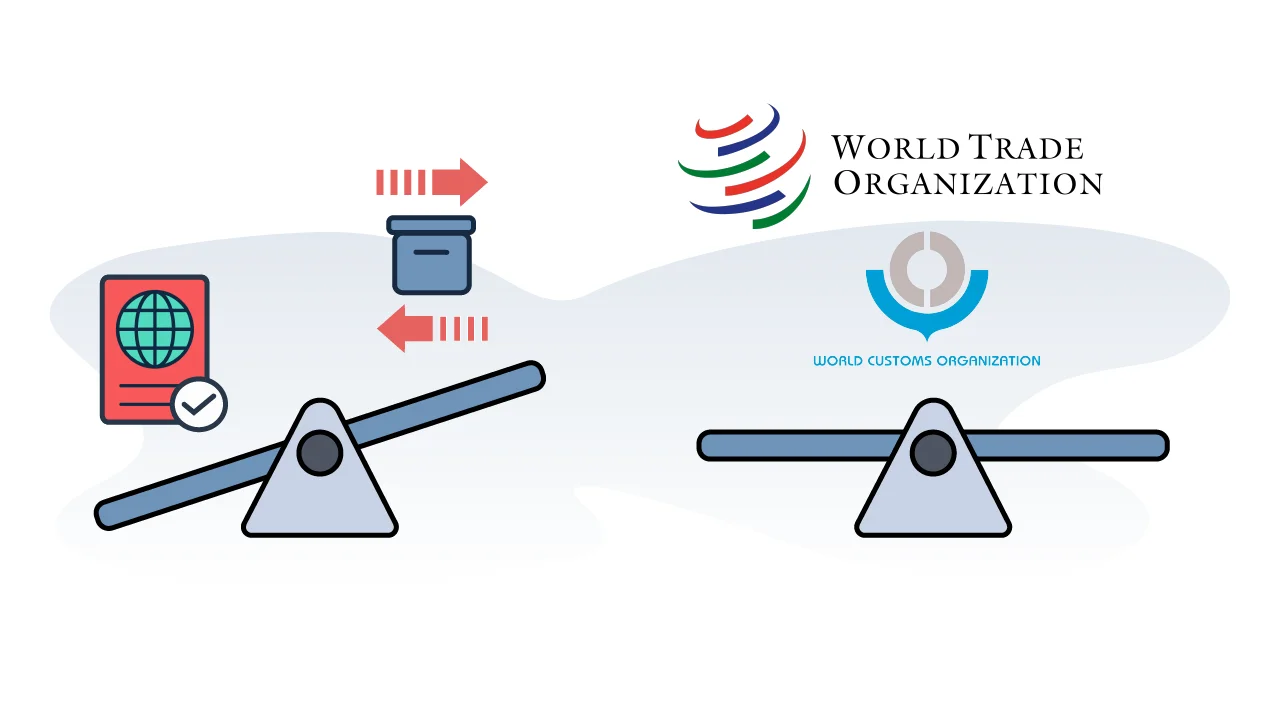
KRISTINA CARTER: Differences and similarities between customs authorities around the globe. Customs authorities usually reside under a government's department of finance, although there are exceptions, such as in the US, where customs resides under the Department of Homeland Security.
So in that exception, the US Customs and Border Protection, CBP, is responsible for both passport control, as well as goods imported and exported. In most of the EU, passport control is a task of the national police force of each country, and their customs authorities focus on goods imported and exported. Some other countries like Nigeria and Singapore have more of a paramilitary customs force.
Having pointed out some of the differences, there are also overwhelming similarities between customs agencies worldwide. For example, national customs regulations are governed by a few international bodies and agreements within the World Trade Organization, also known as the WTO, and the World Customs Organization, the WCO, which both consist of 190 plus countries.
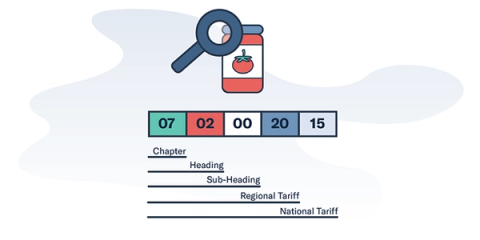
These two organizations have created a globally accepted framework around three main data elements used by all customs agencies worldwide to identify goods and enable proper taxation. The harmonized six-digit commodity codes, which can be further adapted and subdivided, sometimes to 8, 10, or even more digits by member countries for their own purposes.
Country of origin rules, which determine the economic nationality of products in trade, and allow specific taxation, but also are the basis for enabling free trade agreements, known as FTAs. And a common definition of customs value, how value is set on goods, rules on types of transactions for these goods crossing borders to enable the fair assessment of duties and taxes.
For example, you will find the same rules on customs valuation in the US Code of Federal Regulations, known as CFR, and in the EU's Union Customs Code, the UCC. Thus, for example, the tariff schedules of the US, the EU, Japan, and the East African Community are all based on the same WCO harmonized code.
A common question is whether this means different countries have either the exact same tariff codes or identical duty rates. And the answer to both questions is no. All countries are free within the structure of the WCO harmonized system to diversify their tariff structures into more detail, and apply duty rates as required by their own economic, industrial, and trade motives.