[MUSIC PLAYING]
BENY SIRKIN: What is classification anyway?
Classification is assigning goods on numeric code, which allows customs authorities in all countries to identify what types of products are being traded.
These are used for the purposes of collecting duties, safeguarding their economies, and ultimately protecting the citizens in their borders. These numeric codes are found in the harmonized system.
Today the harmonized system is the universally adopted numeric system for classification that is used to classify any and all merchandise. Classifications will generally differ from country to country as most countries have their own schedules, but in most cases, they will have the first six digits in common.
As you can probably imagine, the harmonized system is quite comprehensive. It consists of 99 chapters, which are grouped by goods that are in common, which equates to 21 sections of merchandise.
In this session, we will focus on the HTSUS, or the Harmonized Tariff Schedule of the United States, to help you understand how to classify your products. When talking about the HTSUS, all merchandise will be classified under a 10 digit code so that the United States Customs authority, known as CBP, can identify what is being shipped and how it must be imported.
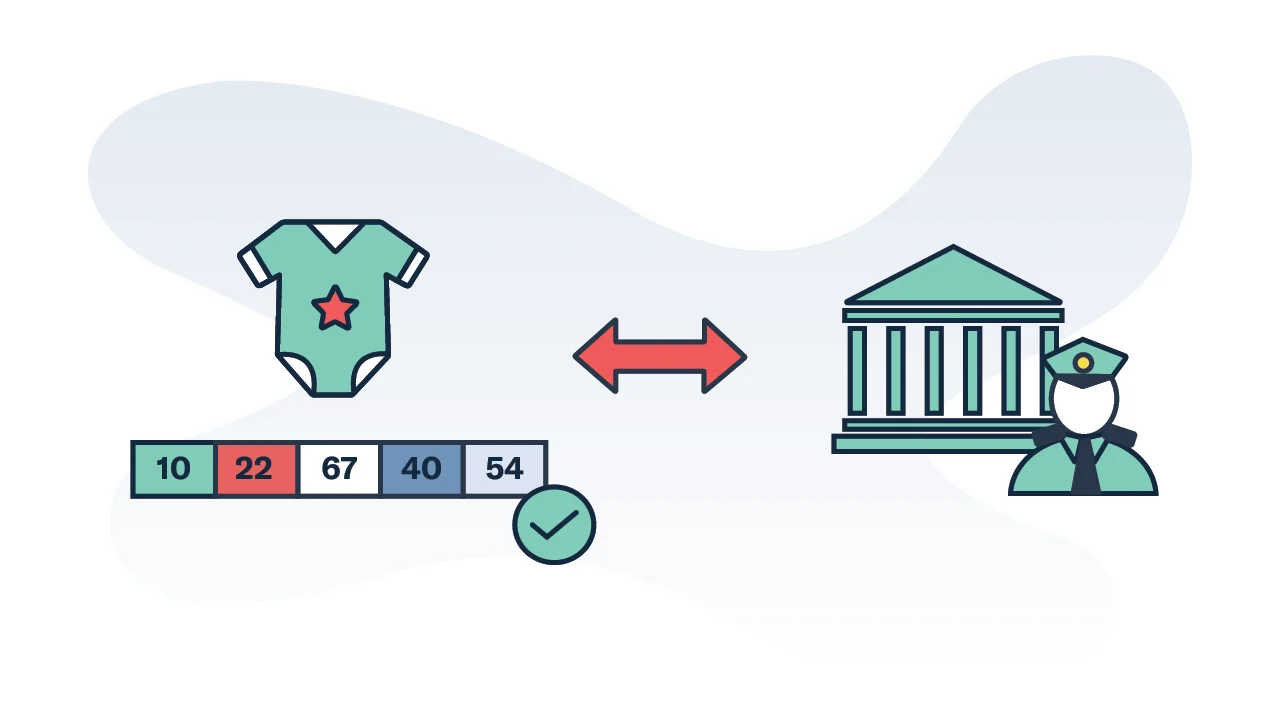
Let's take this HTS code for baby sunsuits as an example.
The first two digits of the HTS code refer to the chapter and the first four refer to the heading. The first six digits are referred to as subheadings. After the subheading, the number of additional digits varies by country. The US has two additional suffix levels resulting in a 10-digit code.
The heading and subheading column, the leftmost column on the tariff pages of the HTS schedule, will have anywhere from four to eight digits that correspond with an article description. The last two digits will be in the second column, or the statistic suffix column. The fourth column, unit of quantity, represents how the imported goods is declared to customs.
For instance, most foods are declared in kilograms, most fabrics are declared in meters squared, and commercial goods are by quantity. Developing and presenting a correct HS classification to customs in any country is extremely important to the importer to determine duties that the importer might pay. When an importer does not properly classify a product, even if they do so mistakenly, the importer can face serious legal penalties or even seizure of goods.