[MUSIC PLAYING]
Module two, how is air cargo flying and what are the constraints inside an airplane?
In this module, we would like to bring you inside an airplane to understand how cargo is loaded and the critical information any supply chain professional needs before requesting or working in air shipment.
First, let's break down some misses.
Air [? consumers ?]
do not typically fly only on dedicated freight aircraft.
Most of freight actually flies underneath the feet of passengers.
Pre-COVID-19, around 68% of air freight capacity flew on these passenger aircrafts. Airlines always try to maximize the passenger baggage before they employ additional freighter capacity.
Note that in each of these aircrafts, there are positions to place the cargo you need to load the devices--
ULDs for short.
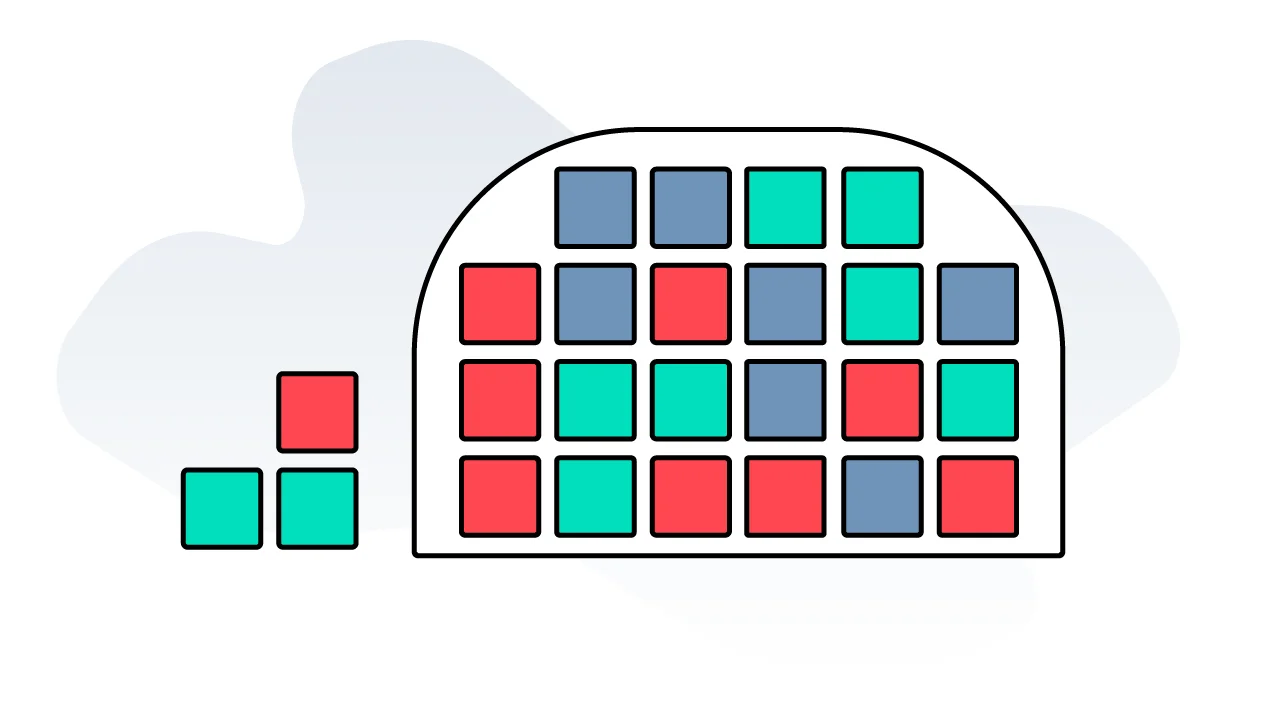
These ULDs have irregular shapes that are meant to embrace the shape of the aircraft and to maximize the usage of space for each of the positions available to load.
All cargo is placed on a metal base, manually or with a forklift.
It is shrink wrapped to protect from humidity. And wrapped in a net to be held together during the flight.
There are a few standard dimensions to remember as baselines for air freight. First, the maximum height of a pallet to be loaded on a passenger flight is a 163 cm, or 64 inches.
Second, the maximum height of cargo you can accept on a 747 freighter, the biggest of regular freight aircrafts, is 300 cm, or 118 inches.
Lastly, any piece over 344 cm long, or over 1,000 kilos, will be oversized and a managed through a different loading procedure.
Since air is so expensive, the key is to make use of every inch of space.
Airline load planners built simulations of the physical cargo in planning software.
So they require information to be as accurate as possible when placing a [INAUDIBLE]. Dimensions deemed inaccurate can be subject to additional fees.
The overarching rules of the planning game are--
first, arrange all pieces to maximize the utilization of the space.
Second, don't mix customer with bad customs records with urgent ones. Because the whole ULD can get held.
Third, combine pieces of different weights to maximize the load balance across the plane. We will be diving into this last point, in particular, in a later section.