
How Changes to Mexico's Textile Tariffs and the IMMEX Program Will Impact Ecommerce
Mexico's textile-related tariff hikes and amendments to the IMMEX program mean higher costs and potential disruptions for companies importing into Mexico.
Mexico's textile-related tariff hikes and amendments to the IMMEX program mean higher costs and potential disruptions for companies importing into Mexico.
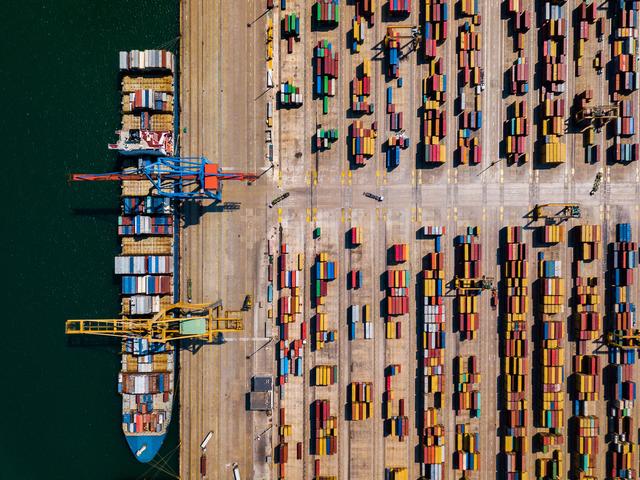
This week's supply chain news: a new tariff exclusion process, a Chicago rail cargo theft, the latest automation discourse (in light of the recent strike), and more.
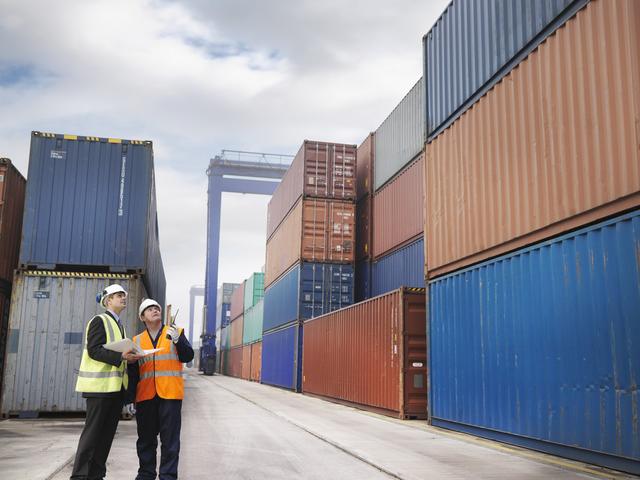
The Biden Administration's executive action aims to crack down on de minimis shipments. Here's how it may affect businesses importing into the U.S.
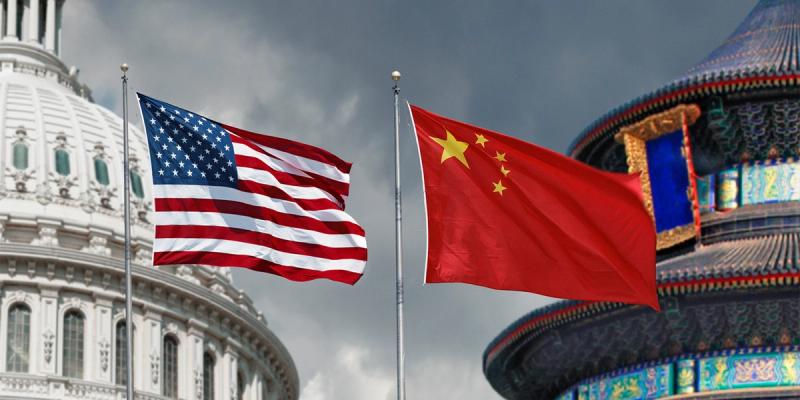
On May 14, 2024, the U.S. Trade Representative (USTR) published their four-year review in regards to the Section 301 tariffs on certain Chinese-origin products, signaling a major policy shift.
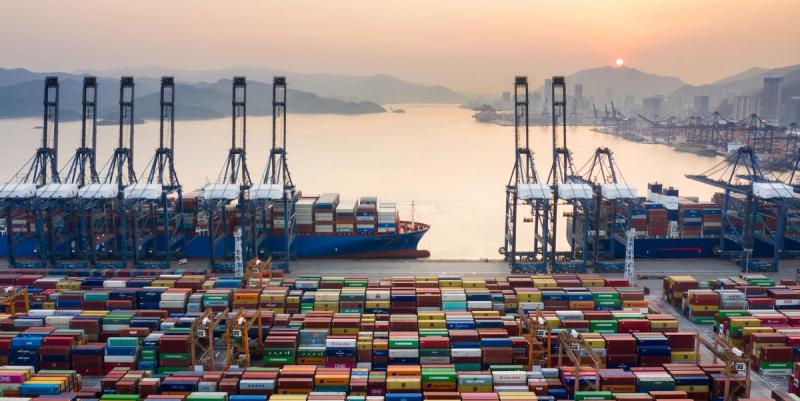
The U.S. allowed its General System of Preferences (GSP) to expire in December 2020. This was expected to dent their exports to the US - We found they actually increased.

While customs knowledge and expertise likely won’t solve the global supply chain crisis, it can help you turn chaos into a strategic competitive advantage.
The Biden administration may have limited opportunities and appetite to remove Section 301 duties on imports from China. Supply chains may already be adapting to a tariffs-for-longer scenario.

This month marks the fourth anniversary of Section 301 tariffs. Learn more about the benefits of a duty drawback program from the perspective of two customers who claimed huge refunds.