
How Importers Can Leverage MPF Consolidation to Cut Costs
Explore how MPF consolidation can help shippers mitigate import costs. Understand how it works, its benefits and potential drawbacks, and how it compares to an FTZ.
Explore how MPF consolidation can help shippers mitigate import costs. Understand how it works, its benefits and potential drawbacks, and how it compares to an FTZ.
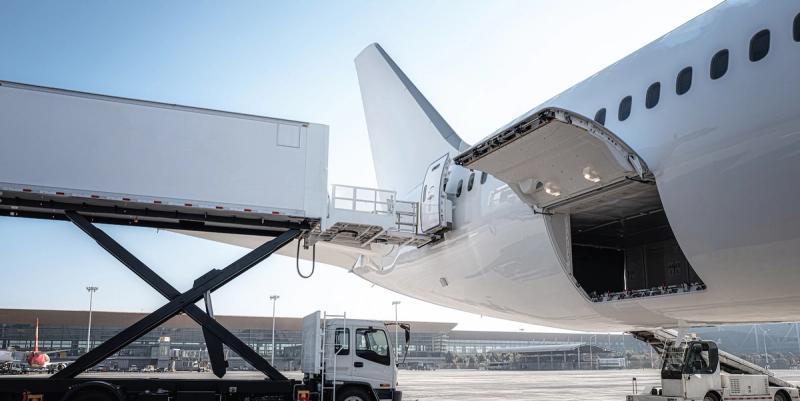
The European Union recently implemented the Import Control System (ICS2), which impacts all cargo shipped into, or transiting through, EU nations. Here’s what you need to know to stay compliant.

Tariff engineering is a method of reengineering products to get them a different classification and potentially lower tariff rates, with careful collaboration with trade compliance specialists.

Ryan Tanner is Flexport’s Director of Compliance. He is also our resident export expert. I sat down with Ryan to discuss his recently awarded distinction as a Master Export Specialist.
Every five years, the WCO updates the HTS codes that may include the addition or removal of tariff codes and changes to rates making it imperative that classifiers are relying on the current HTS.

Tom Gould co-chairs COAC’s Next Generation Facilitation subcommittee to advise Customs on the technology and systems that could help align the agency with rapidly evolving supply chains.

Tom Gould shares how traceability has important market implications.

Duty drawback is a way for ecommerce businesses to recover up to 99% of the import duties they’re paying, allowing more capital to be funneled to expansion or other business-growth activities.