Shipping hazardous materials (hazmat) by air, ocean, or by land is heavily regulated by many different agencies -- and for good reason. It’s dangerous and has cost people their lives. The fines for non-compliance can exceed $100K and lead to criminal indictments and jail time.
If you want to pack, ship, and certify hazmat for transportation, you need to go through formalized training and certification. It’s up to the manufacturer to recognize whether what they’re producing are classified as dangerous goods or not. If they are, then they must fill out official declarations of dangerous goods before they can be transported.
The shipper’s declaration (which must be completed by the supplier or manufacturer) is the most important document in hazmat transportation. It details exactly what is being shipped, how dangerous it is, how it must be packed and labeled, and how it must be transported. Shippers are required by CFR Title 49, the International Air Transport Association, and other regulators to ensure the safety of the cargo and everyone on board the flight.
Here’s an example of a properly completed shipper’s declaration of dangerous goods:
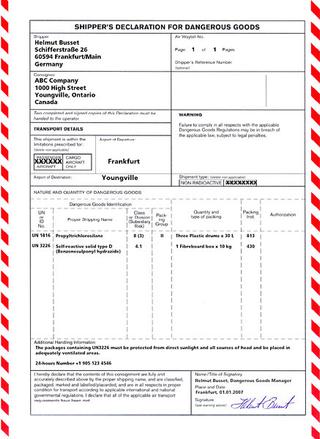
That’s all the responsibility of the shipper up to this point. They’re required by law to correctly prepare the shipment. Now let’s get to where other responsibilities lie.
Over the course of the hazmat shipment, everyone has to assume responsibility for safe transport. That’s why every carrier has to employ certified hazardous materials inspectors to check for safety and regulatory compliance. It’s not just that carriers accept only correctly documented, packaged, and labeled hazmat shipments; they have to ensure that they’re loaded correctly.
To better understand how hazmat compatibility works, let’s dive into the nine classes of dangerous goods:
Class 1: Explosives
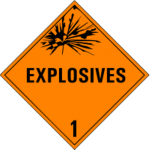
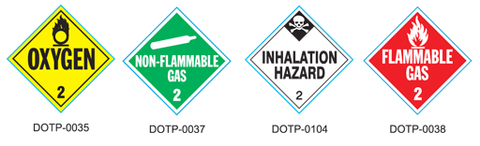
Class 2: Compressed Gasses
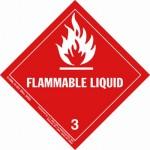
Class 3: Flammable Liquids
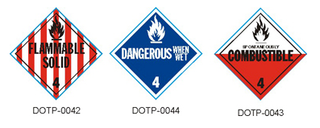
Class 4: Flammable Solids
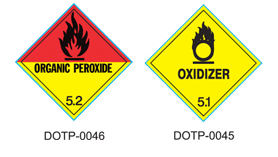
Class 5: Oxidizers
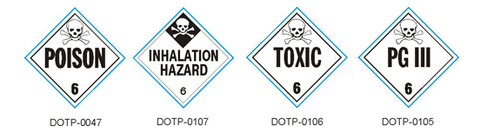
Class 6: Poison/Toxic
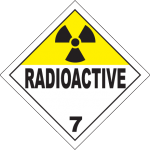
Class 7: Radioactive
Class 8: Corrosive
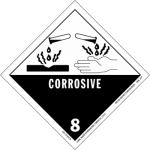
Class 9: Miscellaneous (Dry ice, magnets, vehicles, etc)

It’s not sufficient to document, package, and label. You also have to figure out how which other goods materials they can be stored and transported together. Here’s a table to figure that out.
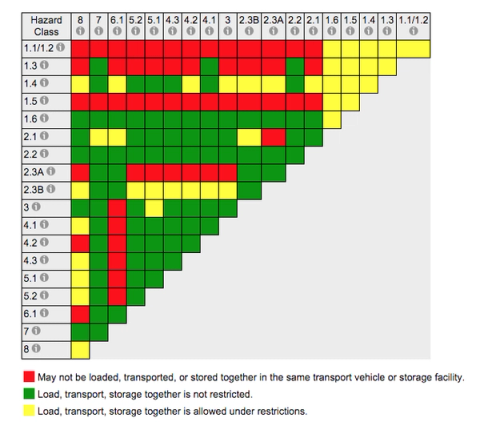
(Green indicates no restrictions. Yellow indicates that classes can be transported together with some restrictions. Red indicates that there are no circumstances under which these goods can be transported or stored together.) Improperly storing hazmat together can be catastrophic as we saw in the recent explosion in the port of Tianjin.
If you’re transporting hazmat, we can’t emphasize enough that everyone along the supply chain is responsible for knowing the regulations around their safe handling. Even the most innocent looking items, like the batteries that power everyday toys, can be classified as hazardous materials depending on how they’re packed and shipped. It’s not always apparent what constitutes a dangerous good for transport and for this reason, personnel must be specially certified to take on these challenges. In the world of transporting hazardous materials, safety is no accident.
By Travis Falasco, Global Operations Manager at Flexport.