What Is It?
Automated Commercial Environment (ACE) data is the compilation of your U.S. Customs data in the ACE database—CBP’s centralized record system for tracking, controlling, and processing information related to your imports. ACE can be considered the source of truth for your U.S. import activity.
Your trade data has immense power and valuable insights. For both midsize and enterprise businesses, datasets like ACE contain meaningful information that can help you strengthen your supply chain and save money.
Benefits for Importers:
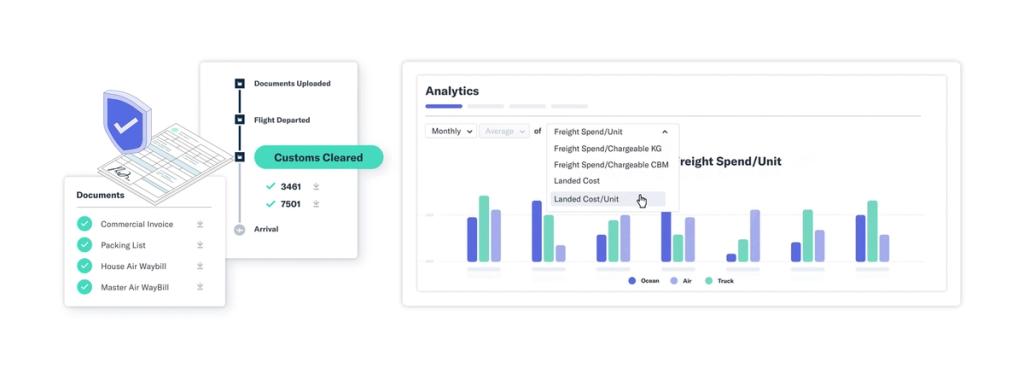
ACE analysis gives importers unprecedented visibility into their import operations, enabling them to make data-driven decisions. Through a comprehensive analysis of ACE data, companies can identify classification inconsistencies and detect duty overpayments, leading to immediate cost savings opportunities. The system also serves as a powerful tool for compliance management, allowing importers to proactively address potential issues and maintain a strong compliance record with customs authorities.
In its raw form, ACE data is unstructured and time-consuming for importers to navigate. Flexport’s proprietary ACE analysis tool structures and optimizes this complex data, which our experienced trade advisors and licensed customs brokers will then review in detail. Our experts schedule a consultation to advise on any duty minimization opportunities or compliance risks discovered within your import activity, and help you use your results to compare scenarios, devise high-impact strategies, reduce risk, and take action on your findings.
The Flexport ACE analysis will structure your import data into primary categories, allowing you to easily digest and review your activity:
- Year-over-year review (last 5 years + YTD)
- HTS analysis
- Manufacturer review
- Country of origin
- Special Program Indicator (SPI) use and missed opportunities
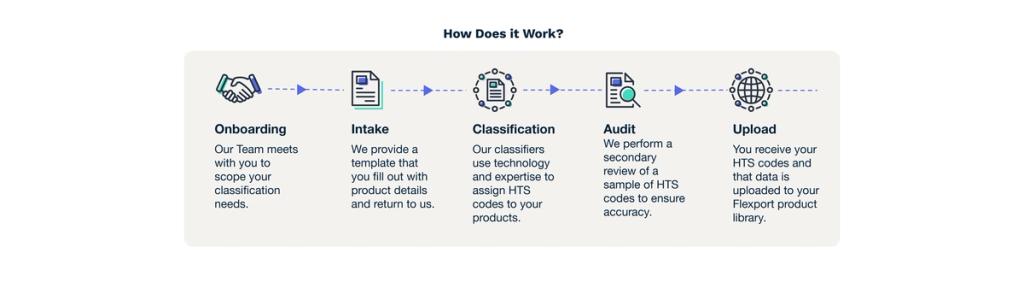
With Flexport’s ACE analysis, you can easily identify your highest-impact classifications for your effective duty rates and your Entered Value YoY. You can also search, sort, and filter your HTS data by chapter, full 10-digit codes, or description. Lastly, use Flexport’s dedicated classification team to validate your current classifications or future products.
When it comes to compliance, Flexport also provides dedicated dashboards for reviewing compliance risks, such as mismatched data and inconsistent activity across brokers. And if you have subsidiaries under your primary EIN, we can break down data across different business units and help you identify who is transacting customs business on your behalf.
Accuracy goes a long way in terms of cost savings. Our tool helps identify mistakes within past entries, including 301 tariff and SPI use. If we find duty savings in your data, Flexport's Trade Advisory team can support the corrections, even if filed by another broker.
Questions to Ask:
- Are you currently leveraging ACE reports?
- Who in your organization has ACE portal access?
- Which metrics are you tracking?
- Have you conducted an HTS classification review using ACE data?
- Are you monitoring your compliance rate through ACE?