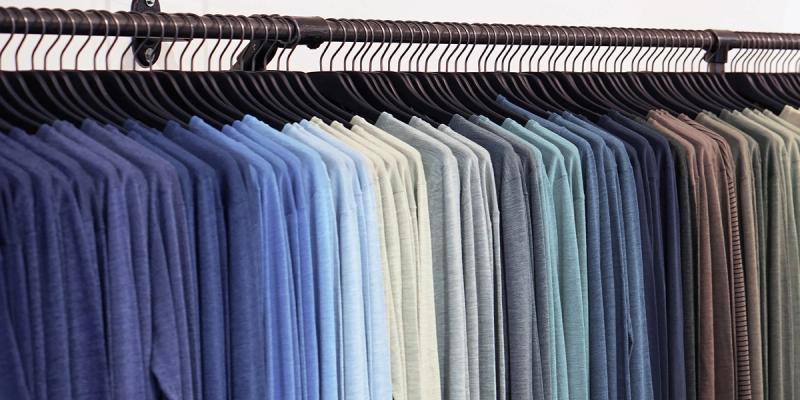
The Fashion Supply Chain: Lessons and Strategies Amid Disruption
2020 has brought dramatic changes to the fashion industry: Market uncertainty, consumer behavior shifts, and supply volatility have created new challenges for the supply chain.
2020 has brought dramatic changes to the fashion industry: Market uncertainty, consumer behavior shifts, and supply volatility have created new challenges for the supply chain.
2020 has brought dramatic changes to the fashion industry: Market uncertainty, consumer behavior shifts, and supply volatility have created new challenges for the supply chain.

Supply chain forecasting is central to the success of many businesses. And while it's not a pushbutton process, there are steps you can take to get more reliable answers faster.
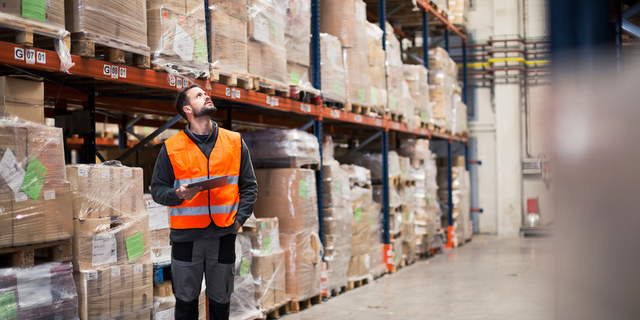
The spike in demand for goods over the last two years accelerated growth for many ecommerce and retail brands, but also resulted in stockouts, delays, and cash flow problems.
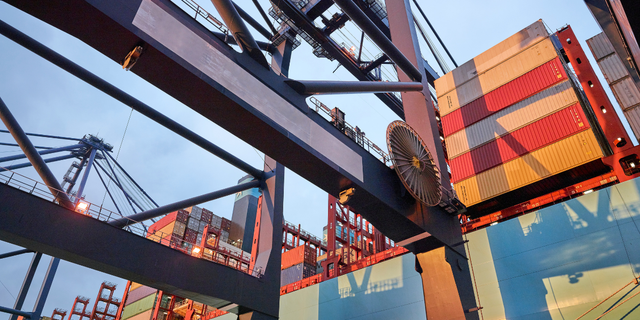
The past couple of years have been anything but predictable with fluctuating market demands, supply chain disruptions, and global economic uncertainties.

The pandemic, along with several other contributing factors like inflation, extreme weather, and labor shortages, continues to impact global supply chains.
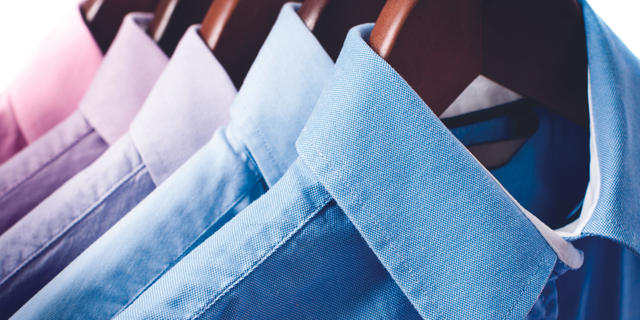
Speed is key for fashion brands seeking to stay on top of the latest trends. Airfreight offers the most direct and fastest way to get goods from manufacturer to customers, but that’s just the beginning
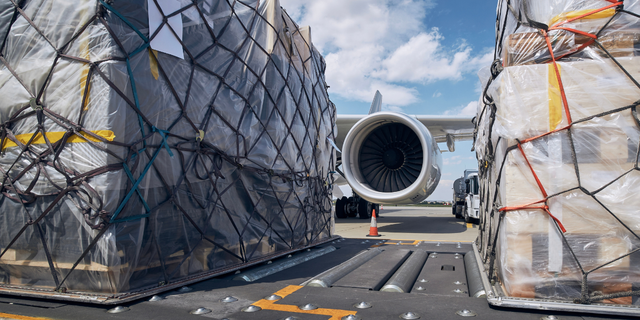
For some companies, air freight may be viewed as a last-minute solution, a fallback for when ocean capacity gets tight.

We spoke to more than 1,400 merchants around the globe to uncover their biggest challenges in logistics.